Endodontics Explained: FAQs
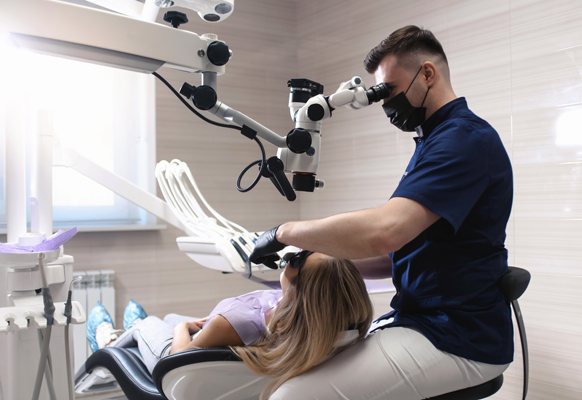
You may be unfamiliar with endodontics or may be confused about this branch of dentistry. Not everyone will need to see an endodontist. Still, this dental professional offers important care to people with severe oral health care concerns. It is helpful to understand what an endodontist does and whether one can benefit you. There are key differences between this person and a general dentist.
Effective ways to maintain good oral health
The smartest way to avoid issues such as cavities and gum disease is to brush and floss regularly. People of all ages should brush at least twice a day, especially after meals. This activity will clean the teeth and prevent the buildup of bacteria, which leads to plaque and tartar. Daily flossing will stave off gum disease and reduce the risk of tooth decay.
Visiting the dentist can also promote healthy teeth and gums. Patients should make and keep semiannual appointments. At these visits, the dentist can educate the patient on good habits. The dentist can also diagnose the person with certain conditions and develop a treatment plan.
Defining endodontics
An endodontist is a dental professional that focuses on preserving the natural teeth. Endodontists have knowledge and training to treat conditions that affect the pulp and surrounding tissues of the tooth. This person will have the education and hands-on work experience beyond dental school. Also, an endodontist can remove diseases that would otherwise lead to infections or tooth loss.
Procedures the endodontist does and how they work
To save damaged pulp, the endodontist will perform a root canal. This process is more invasive than a filling. To do this procedure, the staff at the endodontics office will first numb the patient with a local anesthetic. This comforts the person and helps to ensure there will be minimal discomfort or no pain during the process.
The endodontist will then drill into the tooth and clean out any decay. Next, the pulp is removed. This chamber contains nerves, blood vessels, and other tissue. Once the endodontist takes out the pulp, the tooth is sealed. This prevents infection and protects the tooth from additional damage.
Helping the patient to recover
Root canals are a successful intervention, but there can be some lingering effects. Some people feel discomfort or soreness in the mouth afterward. The endodontist may prescribe pain medication or recommend that patient takes an over-the-counter drug. The endodontist will also work with the general dentist to schedule a time for the patient to get a crown over the affected tooth, if necessary. The endodontics office will then follow up with the person to check on the tooth.
Let an endodontics office help with more serious conditions
If you have extreme tooth pain or mouth soreness, you may need a root canal. An endodontist can treat these issues and perform this procedure. This person has the knowledge and training you can count on to restore your health. Call an office near you today if you suspect you might need this treatment. Do not put off this visit. You can have peace of mind knowing the endodontist can relieve your suffering.
Request an appointment here: https://scrippsranchdentistry.com or call Scripps Ranch Dental at (858) 222-6164 for an appointment in our San Diego office.
Check out what others are saying about our dental services on Yelp: What is an Endodontist in San Diego, CA.
Related Posts
Are you experiencing dental pain? Recognizing when a root canal is required can be the difference between saving a natural tooth and needing a total extraction. If you are experiencing dental pain, understanding the following signs will help you decide when to seek professional care.One of the most prominent indicators of internal damage is persistent,…
Periodontics care is specialized dental care for treating and preventing periodontal disease from reappearing. Scaling and root planing may be performed on patients with periodontal disease to eliminate bacterial plaque and other toxins. Gum disease-causing bacteria can reappear three to four months after initial treatment. As a result, the dentist will recommend coming for cleanings…
Finding a reliable dentist near me becomes a top priority when sudden tooth pain disrupts one's daily routine and makes eating or sleeping difficult. This discomfort often serves as an early warning sign that a tooth needs professional attention to prevent a minor ache from becoming a major ordeal. Addressing the problem quickly helps preserve…
As they get older, many adult patients in the care of family dentistry offices express concern about the persistent discoloration of their teeth. This shift occurs despite a consistent brushing routine, leading many to wonder if they are experiencing an underlying health issue or simply the effects of aging. By examining the biological and environmental…