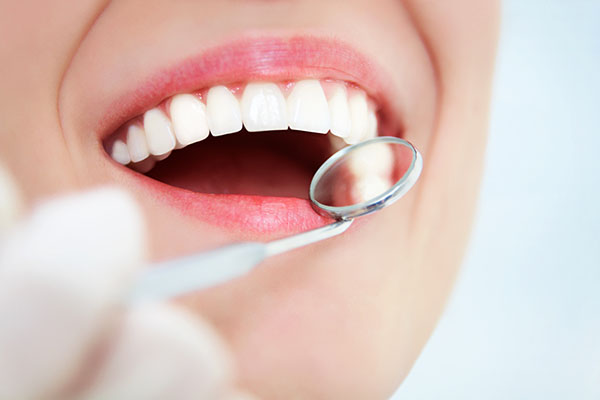
 When most people think of cavity treatment, they think of fillings. However, a restorative dentist may recommend inlays or onlays for more severe cases of tooth decay. These restorative treatments come in various materials, some of which blend easily with the rest of the teeth. They can, therefore, restore not only the function but also the appearance of your smile.
Restoring cracked and decayed teeth
Restorative dentists get their title from the restorative treatments they provide. More specifically, these dental professionals restore teeth that have been decayed, cracked, or otherwise damaged. Their goal is, therefore, not to prevent oral health problems but to restore the patient’s smile when they occur. Early treatment can prevent problems like tooth decay (cavities) from progressing and leading to permanent damage.
Fillings vs. inlays vs. onlays
Depending on the nature and severity of the damage to the tooth, a restorative dentist will recommend dental fillings, inlays, or onlays. Dental fillings repair minor cavities by “filling” the area with dental materials. However, they cannot restore extensively decayed teeth. That is where inlays and onlays come in. Inlays fit into the hole left by more extensive decay, restoring the tooth. Onlays work similarly, but they extend to restore at least one cusp (point) of the tooth.
Note that each of these restorative treatments comes in several materials. The most common are tooth-colored composite resin materials that blend in with the rest of the tooth. However, metal fillings, inlays, and onlays have been used as durable restorations for years.
When an inlay is the best option
Inlays fit like puzzle pieces into damaged teeth, restoring the decayed areas between the teeth’s cusps. Therefore, a restorative dentist will recommend an inlay when the damage lies between the cusps and is too severe for a filling but not severe enough to warrant restoring the tooth with a dental crown. A dentist would need to remove a large amount of the tooth’s structure to place a crown that fits over the damaged tooth. Inlays allow the dentist to preserve more of the natural tooth.
When to get an onlay
Similar to an inlay, onlays are a recommended treatment option when tooth damage is too extensive for a filling but not extensive enough to remove areas of the tooth for crown placement. However, the difference is that onlays can restore damaged tooth cusps and areas between cusps. This makes onlays an effective restorative treatment for teeth damaged by decay, wear and tear, and acid erosion.
The process of getting inlays and onlays
Getting an inlay or onlay is only slightly different from getting a filling. For example, the restorative dentist will numb the area to minimize discomfort throughout the procedure. They will then clean out the decay and sanitize the area. The next step is where the process differs: The dentist will then take an impression of the damaged tooth, creating a mold to send to a dental lab to create a custom inlay or onlay. The patient will receive a temporary inlay or onlay in the meantime. Once the custom restoration arrives, the patient can return to the office to have it placed.
Discuss your options with a restorative dentist
Inlays and onlays are custom restorations that fit like puzzle pieces into damaged or decayed teeth. Find out from a general and restorative dentist if they might be a good fit for your oral health needs. Call our San Diego office today to schedule an appointment.
Request an appointment or call Scripps Ranch Dental at 858-222-6164 for an appointment in our San Diego office.
Related Posts
A restorative dentist primarily aims to protect oral health through tooth restorations. These restorations can also prevent pain, address any discomfort, decrease the risk of future issues, and revitalize the appearance of a smile. Here is a look at common problem-causing conditions and treatments they use to address them.Decay can wreak havoc, causing tooth pain,…
A restorative dentist is also known as a general or family dentist. Their main priority is to help you maintain optimal oral health. Sometimes, this means restoring or replacing damaged or missing teeth.Restorative dentists repair or replace damaged teeth through various methods. Of course, they try to prevent the need for extensive procedures or the…
Are you looking for a restorative dentist for your dental needs? Knowing where to start when beginning this search can be difficult, though you can utilize many resources. That said, you will need to consider a few factors when looking for the right dentist. Continue reading to learn more!Here are a few helpful tips for…